How to build an account-based marketing playbook: 7 essential elements

How to build an account-based marketing playbook: 7 essential elements

An account-based marketing strategy only becomes valuable when marketing and sales know what to do with it. That is where an ABM playbook comes in.

An account-based marketing playbook translates your ABM strategy into a practical way of working. It defines which accounts you prioritise, who you need to influence, which insights and signals matter, which activities sales and marketing run, and how you measure whether accounts are progressing.

A good playbook is not a static document that disappears into a folder after launch. It is a shared guide that helps teams make better decisions, coordinate activities and learn what works.

In this guide, we cover the seven elements every practical ABM playbook should include, plus an example, an ABM playbook checklist and the role AI can play.

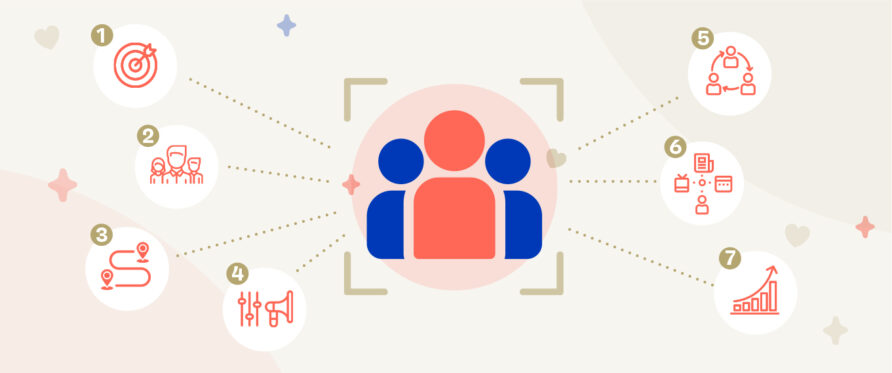
Deze afbeelding heeft een leeg alt-attribuut; de bestandsnaam is playbook-accoun-based-marketing.gif

What is an account-based marketing playbook?

An account-based marketing playbook is a practical framework that describes how marketing, sales and other commercial teams work together to engage and grow a defined group of target accounts.

It translates strategy into action by documenting your account priorities, buying groups, account insights, ABM plays, responsibilities, channels and approach to measurement.

A useful distinction is:

Your ABM strategy determines where you want to go. Your ABM playbook defines how you get there.

That makes the playbook especially important in account-based marketing. ABM requires close coordination between marketing and sales, often across multiple stakeholders, channels and activities. Without clear agreements, it is easy to end up with a collection of disconnected campaigns instead of one coordinated account journey.

A practical ABM playbook helps you:

  • Create clarity about which accounts matter most
  • Align marketing and sales around shared goals
  • Build a consistent understanding of accounts and buying groups
  • Decide when and how to act on account signals
  • Make messaging and activities more relevant
  • Clarify roles and responsibilities
  • Measure progress at account level
  • Repeat and scale successful approaches

The goal is not to document every possible activity. The goal is to make it easier for your teams to know what to do next.

What should an ABM playbook include?

A modern ABM playbook should answer seven fundamental questions:

ElementThe question it answers
1. Business goalsWhat commercial outcome are we trying to achieve?
2. ICP, accounts and tiersWhere should we focus our resources?
3. Buying groupsWho do we need to understand and influence?
4. Account intelligence and signalsWhat do we know and when should we act?
5. ABM playsWhat will marketing and sales actually do?
6. Operating modelWho does what, using which data and technology?
7. MeasurementAre our accounts progressing?

Let us look at each element in more detail.

1. Define your business goals and ABM success criteria

Do not start your ABM playbook with channels, content or campaign ideas. Start with the commercial outcome.

What are you trying to achieve with this group of accounts? Are you trying to win new strategic customers, accelerate existing opportunities, grow relationships within current customers or enter a new business area within an account? Your ABM objectives should connect directly to wider business and sales goals.

For example:

Business objectiveABM objectivePossible measure
Win new strategic accountsBuild relationships with the right buying groupBuying-group coverage and meetings
Create new pipelineMove priority accounts towards an opportunityOpportunities created
Accelerate strategic dealsIncrease engagement across the buying groupDeal progression and stakeholder engagement
Grow existing customersIdentify and influence new buying groupsExpansion pipeline and revenue

Be specific about what success looks like. “Generate awareness” is too broad. Awareness among whom? In which accounts? And what should happen once awareness increases?

The stronger question is: What change do we want to see within these accounts?

That might be a stronger relationship, engagement from additional stakeholders, a first meeting, the creation of an opportunity or progress within an existing deal. These goals become the foundation for everything else in your playbook.

2. Define your ICP, target accounts and ABM tiers

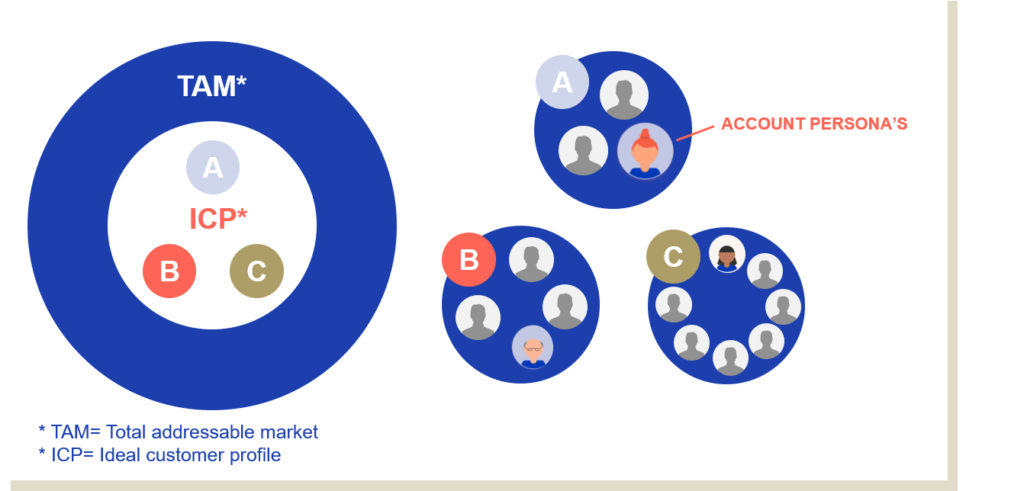
Account-based marketing is about focus. That means your playbook needs to be clear about which accounts deserve your time and investment. Start with your ideal customer profile, or ICP.

Your ICP describes the type of organisation that is most likely to be a strong commercial fit. Relevant criteria could include:

  • Industry
  • Company size
  • Geography
  • Business model
  • Strategic fit
  • Revenue potential
  • Technology environment
  • Existing relationship
  • Growth potential
  • Likelihood to buy

But fit alone does not tell you where to act first. A company may fit your ICP perfectly and still have little reason to engage with you today. Another account may show clear signs of change, investment or interest. That is why we recommend looking at a combination of:

Fit + commercial potential + relationship + signals

Together, these factors help you prioritise accounts more intelligently.

Deze afbeelding heeft een leeg alt-attribuut; de bestandsnaam is ideal-customer-profile-account-based-marketing-playbook-1024x491.png

Choose the right ABM approach

Not every account needs the same level of personalisation or investment. Depending on the number and strategic importance of the accounts, you might use:

  • 1:1 ABM, for a small number of highly strategic accounts
  • 1:few ABM, for clusters of accounts with similar needs or characteristics
  • 1:many ABM, for larger account groups where technology helps you personalise at scale
  • Bolt-on ABM, where you add an account-based approach to existing demand generation activities

Your playbook should make clear which approach applies to which accounts and why. If you are still determining your ABM model, read our complete guide to account-based marketing for a deeper explanation of the different approaches.

3. Understand your buying groups and buyer needs

Selecting the right accounts is only the beginning. B2B decisions are rarely made by one person. Depending on the size and complexity of the deal, multiple people can influence, approve, use, challenge or block a purchase.

Your ABM playbook should therefore map the buying group, not just individual leads.

A simple stakeholder map can help:

StakeholderBuying roleCurrent relationshipPriority
CIODecision-makerStrongMaintain
Procurement leadBuyerLimitedDevelop
IT architectInfluencerNoneHigh
Business directorSponsorDevelopingHigh

Go beyond job titles

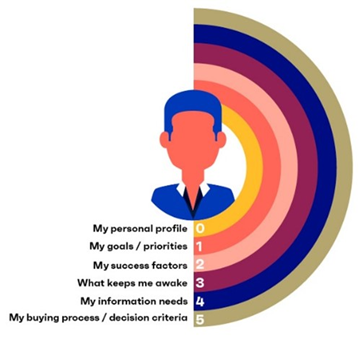
Knowing someone’s title is not the same as understanding what matters to them. Your buyer insight should help you answer three levels of questions.

1. Business questions
What is the organisation trying to achieve? Which strategic priorities, risks or market developments matter?

2. Job role questions
What is this person responsible for? How are they measured? What problems are they expected to solve?

3. Personal questions
What concerns them? What could make them hesitate? What would make them look successful internally?

This is where real buyer insight makes a difference. AI and desk research can help you develop hypotheses quickly, but interviews, conversations with sales and real customer evidence remain essential when validating the assumptions that influence your strategy.

4. Build your account intelligence and signal framework

Traditional ABM programs often focused heavily on the target account list and campaign plan. Today, there is another important layer: knowing when to act. Your playbook should therefore define which account intelligence you collect and which signals are meaningful enough to trigger action.

What account intelligence should you collect? For strategic accounts, useful information could include:

  • Corporate strategy and business priorities
  • Current initiatives and transformation programmes
  • Organisational changes
  • Leadership changes
  • Market developments
  • Technology landscape
  • Existing suppliers or competitors
  • Known challenges
  • Current opportunities
  • Existing relationships
  • Recent meetings and conversations
  • Relevant content engagement

The level of detail depends on your ABM approach. A 1:1 program may require deep research for each account. In a 1:few program, you may focus more on common industry or segment patterns.

However, it is important to notice that a signal is not an insight.

A website visit can tell you that something happened. It cannot always tell you why. Someone may visit your website because they are actively researching solutions, because they saw a colleague’s LinkedIn post or because they are simply curious.

Signals become valuable when you combine them with account knowledge, buyer insight and human judgement. The objective is not to respond to every digital interaction. It is to recognize patterns that help your teams reach the right account at a more relevant moment.

5. Define your ABM plays, messaging, content and channels

This is where your playbook turns insight into action. Instead of simply listing campaigns and content assets, define a number of practical ABM plays. An ABM play is a coordinated set of marketing and sales activities designed to move a specific account or buying group towards a defined outcome.

A play might be triggered by new account insight, a change within the company, increased engagement or a particular stage in an opportunity. Your ABM playbook might contain several plays, depending on your goals.

For example:

  • New stakeholder play
  • Event engagement play
  • High website engagement play
  • Executive engagement play
  • Stalled opportunity play
  • Cross-sell or expansion play
  • New strategic initiative play
  • Re-engagement play

Connect content to the account context

Personalisation does not mean creating every piece of content from scratch. Start with the question: What does this account or buying group need to understand, believe or do next? You can then decide whether existing content is relevant, needs adapting or whether new content is necessary.

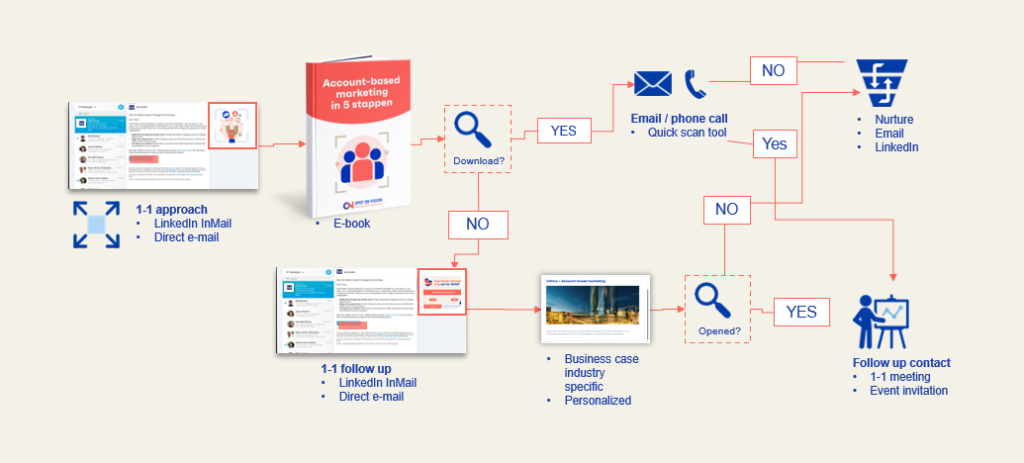
The same applies to channels. LinkedIn, email, events, content, advertising, direct mail and personal sales outreach can all play a role. The best mix depends on where your stakeholders spend time and what you are trying to achieve. The key is coordination.

A LinkedIn ad, sales email and event invitation should not feel like three unrelated marketing activities. They should reinforce one relevant story.

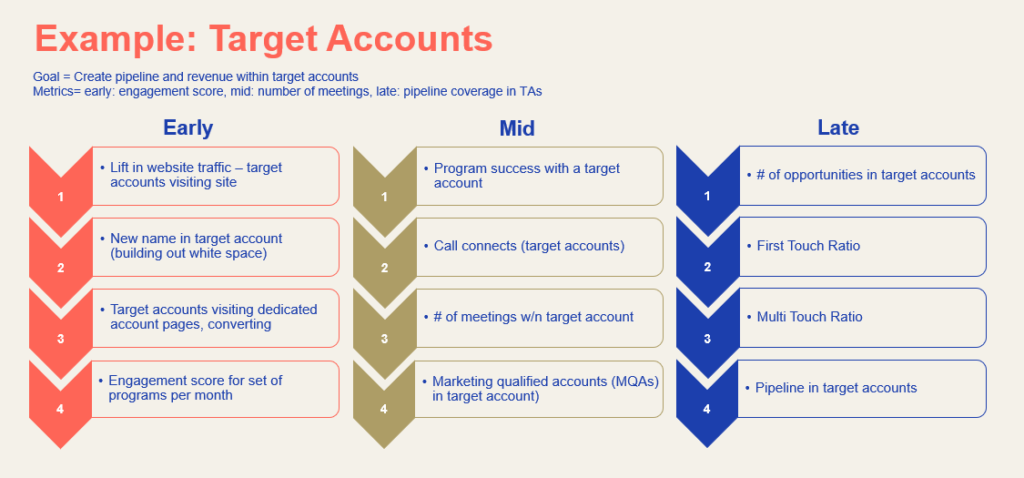
Deze afbeelding heeft een leeg alt-attribuut; de bestandsnaam is example-account-baesd-markering-campagne-1024x463.png

6. Align sales and marketing around roles, data and technology

ABM is not a marketing campaign that sales gets briefed on afterwards. It is a shared commercial approach. Your playbook should therefore make responsibilities explicit. The exact division of responsibilities will vary by organisation. What matters is that it is clear.

Agree how you will work together

Your playbook should also describe the working rhythm.

For example:

  • How often will you review target accounts?
  • Who brings new signals into the discussion?
  • Where is account information stored?
  • Who updates the stakeholder map?
  • How quickly should sales follow up on a relevant signal?
  • How does sales provide feedback to marketing?
  • When do you decide to change or stop a play?

A regular account review can be more valuable than another dashboard. The purpose is to bring together what the data tells you, what marketing sees and what sales knows from real conversations.

Define the role of data and technology

You do not need a large ABM technology stack to create a good playbook. Start with the process and determine which technology helps you execute it.

Your CRM should provide a shared view of accounts, contacts, relationships and opportunities. Marketing automation, advertising, website visitor identification, intent data and other platforms can then add additional context and signals.

Technology should make your ABM approach easier to execute and scale. It should not determine the strategy.

7. Measure account progress and optimize your approach

ABM measurement is different from standard demand generation measurement. A large number of clicks or leads tells you very little if those interactions are not coming from the accounts and people you actually want to reach.

Instead, measure whether your target accounts are progressing. At SPOTONVISION, we look at five areas:

Measurement areaKey question
CoverageDo we know and reach the right people?
AwarenessDo the right accounts and stakeholders know us?
EngagementAre relevant people spending time with us?
Reach and impactIs engagement becoming real interaction and opportunity?
InfluenceIs ABM affecting pipeline, deal progression or revenue?

The goal is to move from knowing who is in an account to seeing genuine commercial impact.

Take a baseline before you start whenever possible. Then review progress regularly with sales and look for change. One stakeholder downloading an asset might be interesting. Three relevant people engaging, combined with a sales conversation and a new opportunity, tells a much stronger story.

ABM success is not a lead score. It is evidence that the right account, and the right people within that account, are progressing.

For a deeper dive into metrics, read our practical guide to measuring ABM success.

Common ABM playbook mistakes

  • Making the playbook too theoretical

A 70-page presentation that nobody opens is not a useful playbook. Keep the information practical and easy to access. Your account teams should be able to use it during real work.

  • Starting with tactics instead of accounts

Do not begin with the question: “Should we run LinkedIn ads?” Begin with the account, the buying group and the commercial objective. The right tactics follow from there.

  • Treating ABM as a marketing responsibility

Marketing can facilitate an ABM program, but it cannot run one successfully on its own. Sales needs to help select accounts, contribute account knowledge, validate insights and lead important conversations.

  • Collecting signals without defining actions

More data is not automatically more useful. If your teams cannot explain what should happen after a meaningful account signal, another dashboard will not solve the problem.

  • Measuring activity instead of progression

Clicks, impressions and content downloads can help you understand activity, but they should not become the definition of ABM success. Keep asking whether relationships, conversations, opportunities and revenue are moving in the right direction.

Frequently asked questions about ABM playbooks

What is an ABM playbook?

An ABM playbook is a practical framework that explains how marketing and sales will work together to engage a defined group of target accounts. It typically includes goals, account priorities, buying groups, insights, ABM plays, responsibilities, channels and measurement.

What should an ABM playbook include?

A strong ABM playbook should include seven core elements: business goals, target account selection and prioritisation, buying groups, account intelligence and signals, ABM plays and messaging, sales and marketing responsibilities, and account-level measurement.

What is the difference between an ABM strategy and an ABM playbook?

Your ABM strategy defines your key choices, such as why you are using ABM, which accounts matter and what you want to achieve. Your ABM playbook translates those choices into practical actions, roles, processes and plays.

In simple terms: strategy defines the choices, the playbook guides the execution.

How often should you update an ABM playbook?

An ABM playbook should be treated as a living document. Review it whenever you learn something important about your accounts, buying groups, signals, messaging or activities. You should also evaluate the overall approach regularly with sales to identify what should change.

Do you need ABM technology to create an ABM playbook?

No. You can start with the account data, CRM, sales knowledge and marketing tools you already have. Specialist ABM and intent technology can help you automate, identify signals and scale your approach, but technology should support the playbook rather than define it.

Can AI create an ABM playbook?

AI can help you research accounts, structure information, develop hypotheses, create first drafts and identify patterns. But it should not make the important strategic choices for you. Account selection, buyer insight and commercial decisions still require input and validation from marketing, sales and other experts.

Your ABM playbook should evolve with your accounts

Your first account-based marketing playbook does not need to be perfect. It needs to be useful.

Start with a clear commercial goal, a focused group of accounts, good buyer and account insight, a small number of practical plays and clear ownership between marketing and sales.

Then learn. Use sales conversations, account signals, campaign results and buyer feedback to understand what is changing. Update your account knowledge. Improve your messaging. Adapt the plays that are not working and scale the ones that are.

That is what makes an ABM playbook valuable. It does not simply document how you planned to run account-based marketing. It helps your organisation become better at it over time.

Want to turn your ABM strategy into a practical playbook that marketing and sales will actually use? Read more at https://www.spotonvision.com/campagnes/account-based-marketing/. Or talk to one of our ABM specialists.


Share this article

Grow your B2B Marketing knowledge

Subscribe to keep up with our latest B2B Marketing updates and exclusive events. Straight to your inbox, once a month.

This field is for validation purposes and should be left unchanged.
Name*
Untitled*

By signing up, you agree to the SPOTONVISION Privacy Policy